
Pierre Chareau. Modern Architecture and Design Exhibition at Jewish Museum in New York
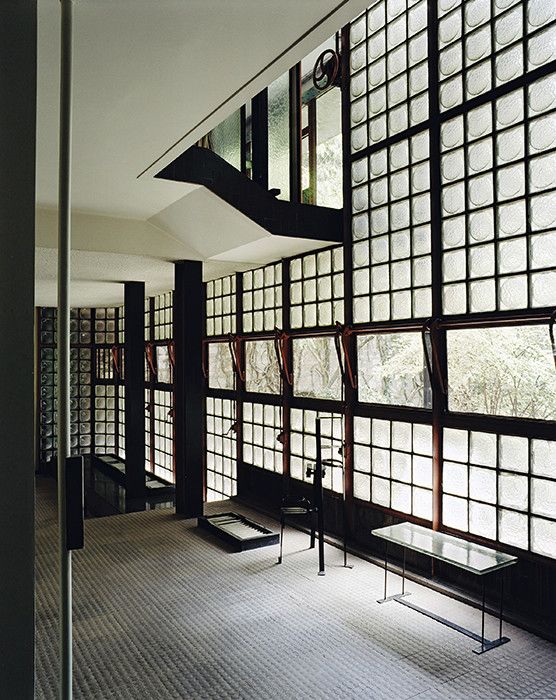
Chareau, who is best known for his one surviving building, the Maison de Verre in Paris, defies neat classification. Without any sort of architectural training, he worked briefly as a furniture.
La Maison de Verre de Pierre Chareau, une machine à habiter HAR1425

Nearly everyone answered, "the Maison de Verre.". Maison de Verre —designed by architects Pierre Chareau and Bernard Bijvoet in Paris in 1932—is, as its name suggests, a glass house designed to solve a set of strangely familiar urban problems: a historic hôtel particulier; a tenant who won't move out; a doctor who wants to work from.
Modernist facade of the House of Glass Maison de Verre by Pierre Chareau Architecture Parisienne

Year. 1931. Architect. Pierre Chareau. La Maison de Verre (French for the house of glass) was built between 1928 and 1932 in Paris, France. Built in the first modern style of architecture, the design of the house has emphasized three primary traits: the honesty of materials, the variable transparency of shapes and the juxtaposition of.
Maison de Verre Paris by Pierre Chareau + Bernard Bijvoet.

Pierre Chareau, the Modern architect who worked during the first half of the 20th century, is perhaps best known for his legendary Maison de Verre. Built between 1928 and 1932, it was the first house to be built in France from glass and steel, and it would go on to influence architects such as Richard Rogers, Jean Nouvel and many more.
AD Classics Maison de Verre / Pierre Chareau + Bernard Bijvoet ArchDaily
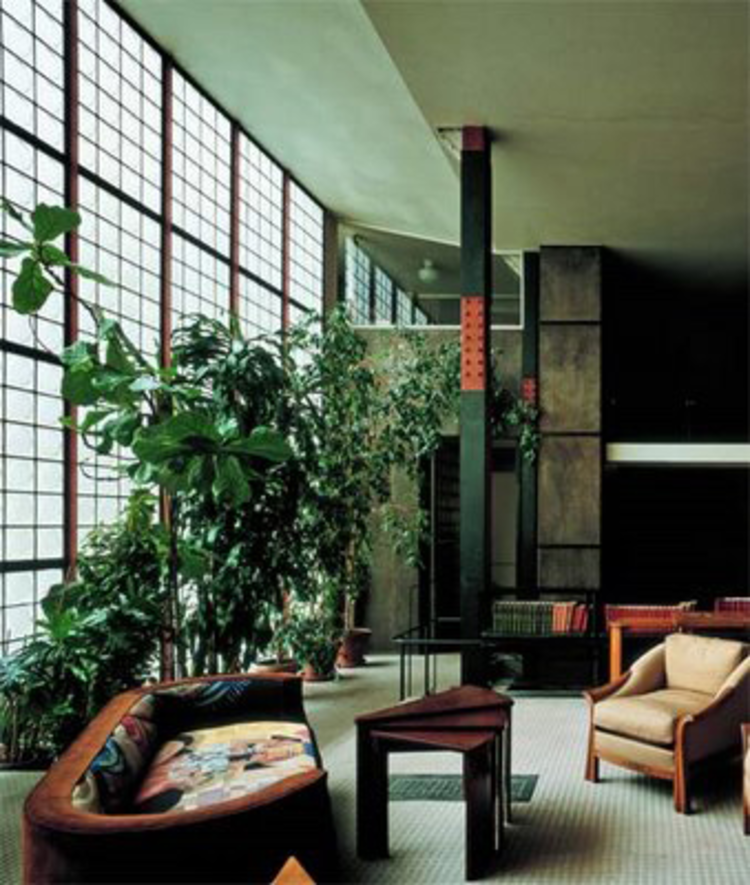
Designed by Pierre Chareau and Bernard Bijvoet, the Maison de Verre translated as "House of Glass," is a milestone in early modern architectural design. Built in 1932, the house uses various.
Pierre Chareau Maison De Verre Ventana Blog
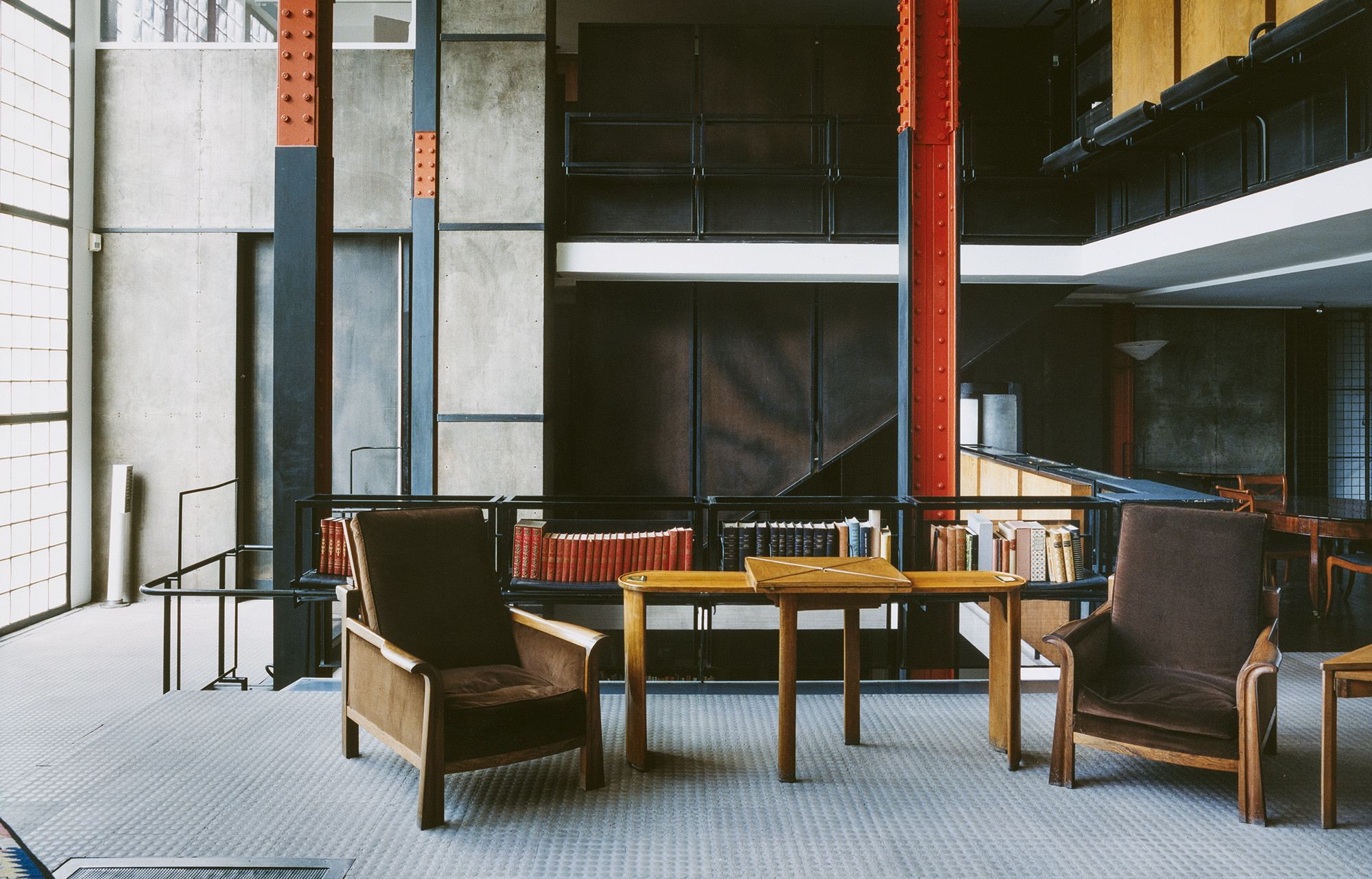
The Maison de Verre ( French for House of Glass) was built from 1928 to 1932 in Paris, France. Constructed in the early modern style of architecture, the house's design emphasized three primary traits: honesty of materials, variable transparency of forms, and juxtaposition of "industrial" materials and fixtures with a more traditional style of.
French designer and architect Pierre Chareau’s uncontested masterpiece is the Maison de Verre

Pierre Chareau. The Maison de Verre (House of Glass) is a collaboration of the interior and furniture designer Pierre Chareau, the Dutch architect Bernard Bijvoet and The French metal craftsman Louis Dalbet. It was built between 1928 and 1932 and is a stunning example of modern architecture in the beginning of the twentieth century.
Maison de Verre Paris by Pierre Chareau + Bernard Bijvoet.

The Maison de Verre, a glass-clad Parisian home is the only piece remaining of the French architect's portfolio, shrouding the man with an extraordinary vision in mystery. Among the many French architects and designers born in the late 19th century, Pierre Chareau consistently appears in the books for his modern vision and his avant-garde.
AD Classics Maison de Verre / Pierre Chareau + Bernard Bijvoet Architecture, Glass facades

It would seem that Pierre Chareau designed a metal coat rack on wheels especially for the Maison de Verre, a copy of which is also at the Centre Pompidou (estimate: 40,000 euros). Jean Lurçat. In the commercial made by David Lynch, the model sits on an oval couch covered in upholstery.
masterpieces of contempory architecture P0IERRE CHAREAU, La Maison de Verre, Paris, 1928

Through his career, at least until The Maison de Verre, the work of Chareau wavered continually between the cult for the "ready-made", which he owed in part to the influence of Dadaism, and the standards of quality craftsmanship of the Salon des Artistes Décorateurs. Frampton, Kenneth (1984). Pierre Chareau an eclectic architect. A través de su […]
A Dozen Lesser Known Houses You Should Know About BUILD Blog Architecture, Glass blocks

Bathed in sunlight during the day, the Maison de Verre, designed by Pierre Chareau in 1931, gives off the same subtle shine as a piece of frosty sea glass. At night, illuminated by floodlights, it.
pierre chareau, maison de verre, paris (1931) Modern Architecture Design, Paris, Shelters

1 Cinqualbre, O. Pierre Chareau: La maison de verre (Paris: Jean-Michel Place Editions, 2001). A reprint of the documentation and critical assessments of the Maison de Verre originally published in L'Architecture d'Aujourdhui, No. 9, November/December 1933. Trans. from the French by Robert Poncelet, a personal friend of the author.
Pierre Chareau La Maison de Verre. "in Detail" The Strength of Architecture From 1998

Description. Designed by the interior and furniture designer Pierre Chareau with the help of the Dutch archi- tect Bernard Bijvoet, the Maison de Verre offered a strikingly new interpretation of the Modernist vision of the house as a 'machine for living in'. The client was a leading gynaecologist, Dr Dalsace, and his brief called for a.
Maison de Verre Paris by Pierre Chareau + Bernard Bijvoet.

About Pierre Chareau. Pierre Chareau (1883 -1950) was a renowned French architect and designer best known for his pioneering contributions to the Modernist movement and his innovative use of industrial materials in residential settings. His most emblematic work, the Maison de Verre or House of Glass, was a collaborative project with Dutch.
Maison de Verre Paris by Pierre Chareau + Bernard Bijvoet.
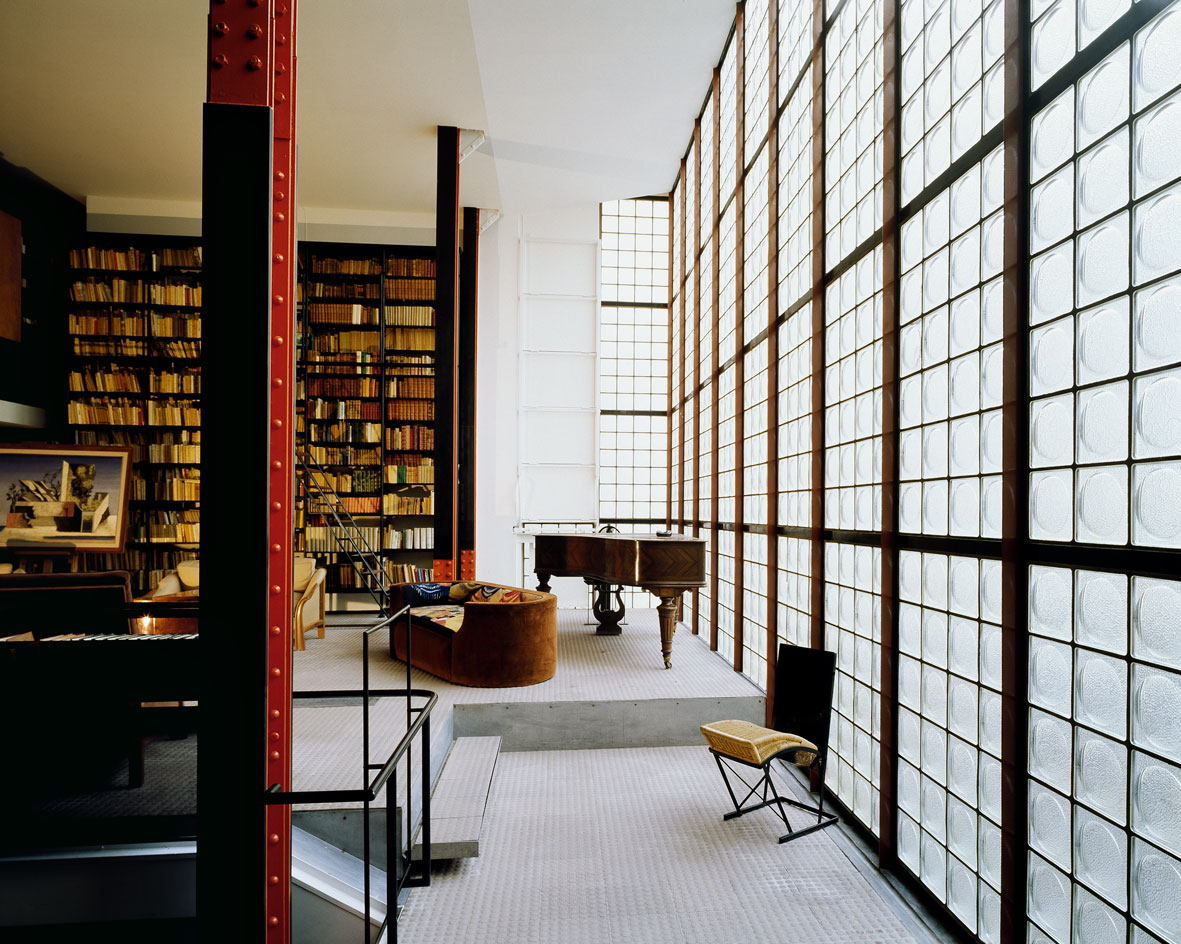
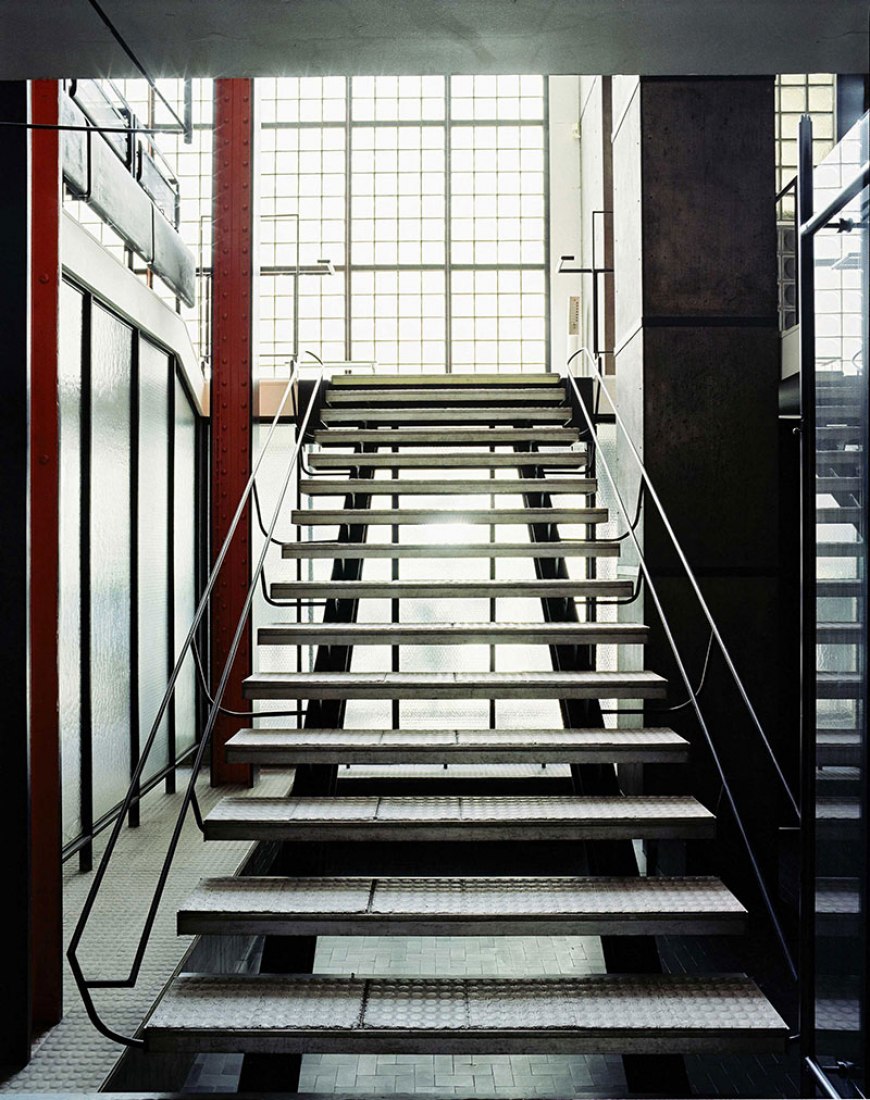
The north face, with a constant natural light shows all the intentions of Pierre Chareau 's design for the Maison de Verre, a structural sincerity that exposes the metal profiles and an ornamentation based on the combination of a complex system of partitions and furniture mobiles, mainly made of wood and reminiscent of the Art Nouveau style.
Pierre Chareau La Maison de Verre. "in Detail" The Strength of Architecture From 1998
The Maison de Verre (1928-1932), built in Paris and designed by Pierre Chareau in collaboration with Dutch architect Bernard Bijvoët, metalworker Louis Dalbet, and the clients, Dr. and Mme Dalsace, does not fit easily within the canon of modern architecture and interior design. Though acknowledged at the time of its construction for the.